Im Jahr 2026 erfindet adidas seine ikonischen Modelle neu und sprengt die Grenzen von Design und Innovation.
It's hard to imagine adidas slowing down after the creative momentum driven by Pharrell Williams. If the Jellyfish has already paved the way for a new vision (more fluid, more free, more expressive), its biomorphic language and curves have established a dynamic that the silhouettes planned for 2026 have decided to extend. Next year, the brand with the three stripes seems to have found a balance between experimentation and respect for its DNA. To kick off this new era, adidas is already planning new silhouettes.
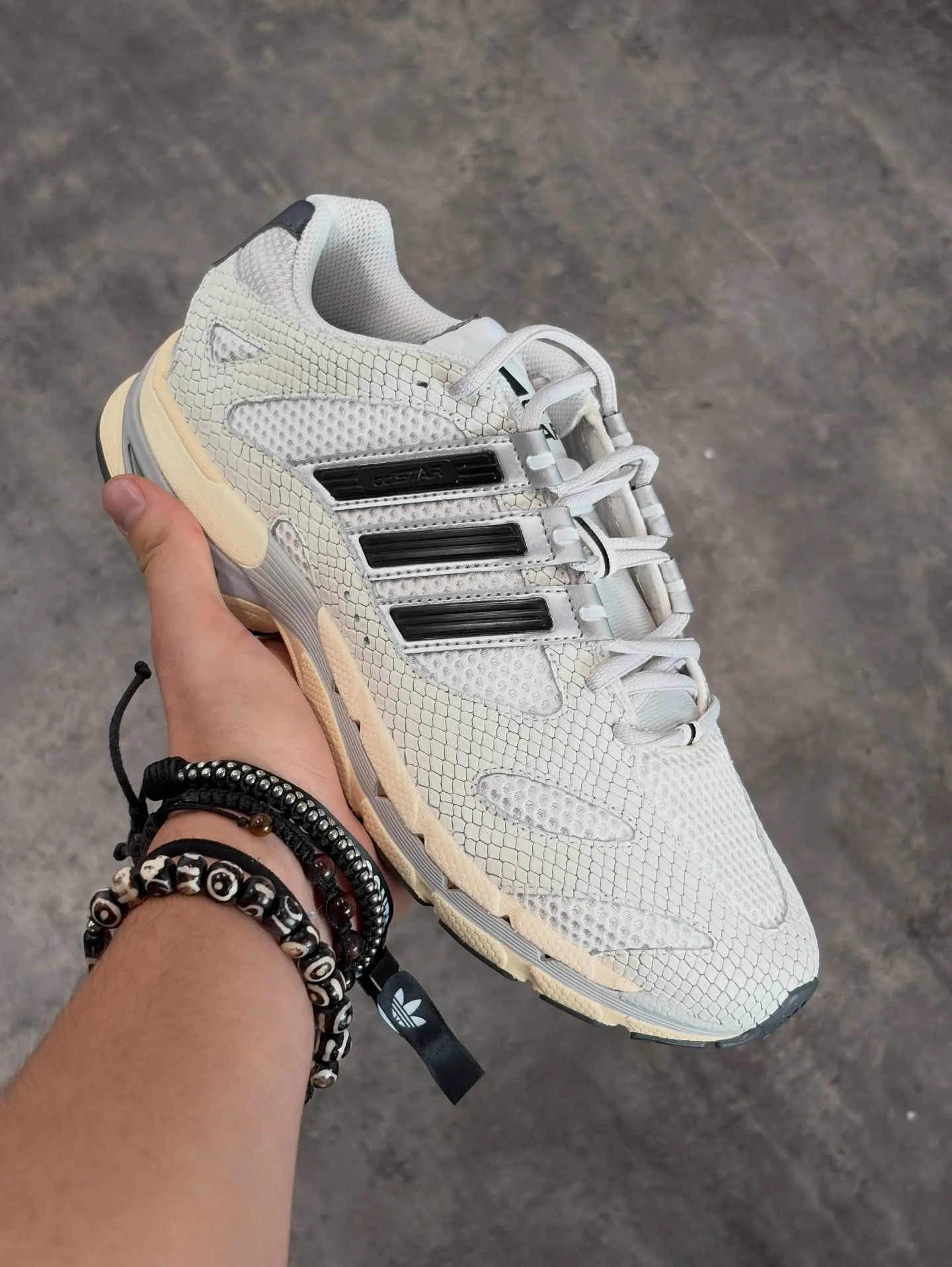
Headlining: the Adistar MLD. If the pair seems to have come out of a futuristic 3D print, it is a silhouette that catches the eye even before understanding its internal mechanics. Molded volumes, seamless transitions, no doubt: the MLD is a way for adidas to push its lines without losing its identity. The design is bold, almost architectural. And behind the MLD, the entire Adistar family is being reactivated. The Control 5 is the perfect example. The colors planned for 2026 show a silhouette that is no longer afraid to embrace its contrasts: the shades are designed to give character.
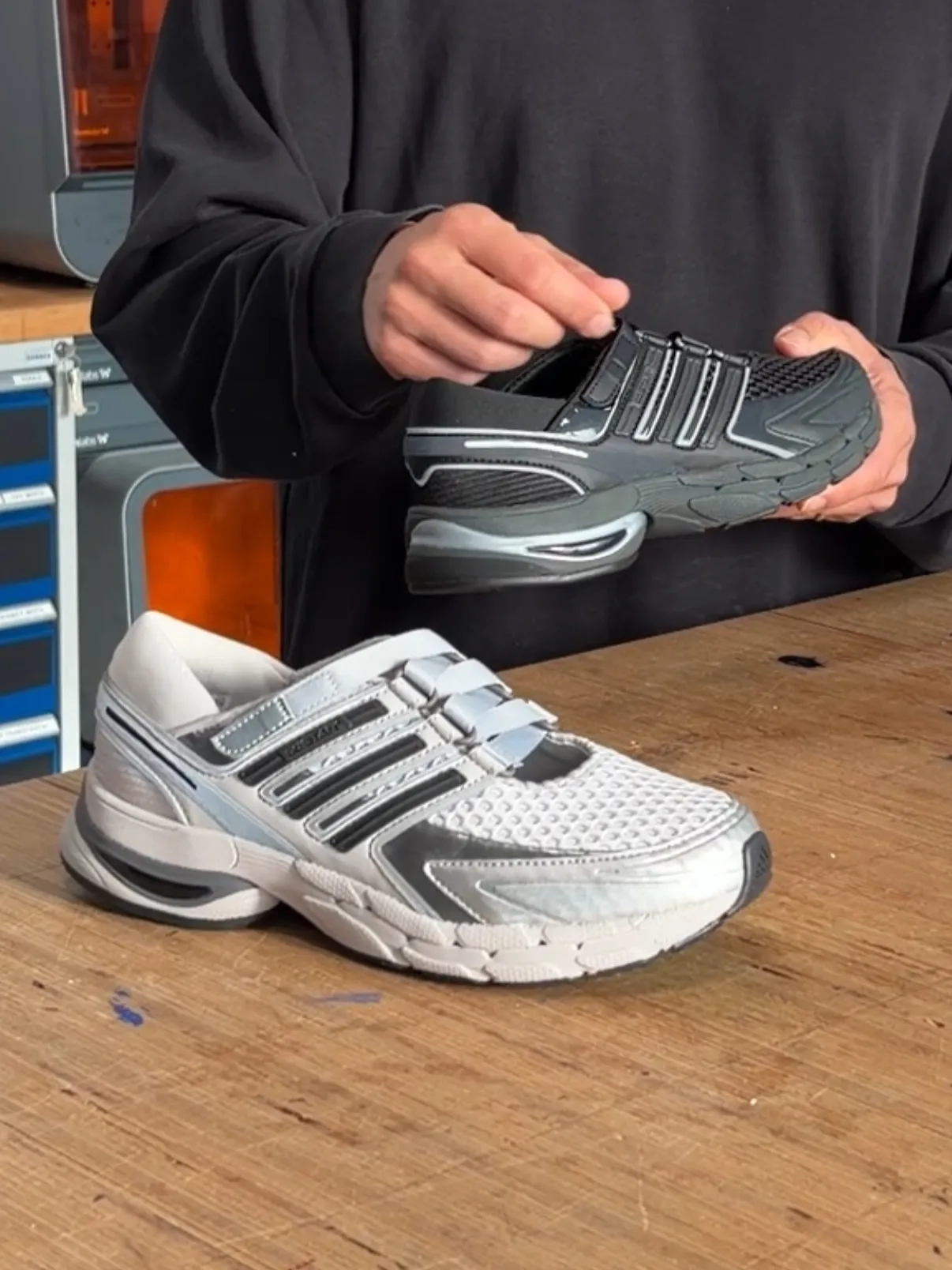
In the same movement, the Mary Jane brings a new dynamic. Resolutely feminine, yet technical, the silhouette embraces an identity and navigates between performance and expression. Inspired by traditional ballet flats, the pair reinterprets the running shoe with a sculptural language. While the DNA of the Adistar Control 5 remains present, details transform the pair: the tongue disappears while the laces are replaced by ribbons. The result? A hybrid silhouette that retains all the technicality of an Adistar and opens the field of possibilities for feminine variations.
On the opposite side: the Adistar XLG 2.0. Quickly compared to the Jellyfish by Pharrell, the XLG 2.0 has inherited the nickname “Calamari”, due to its exaggerated volumes and imposing silhouette. An enlarged version of the Adistar Cushion 3.0, the design features a flared sole and reinforcements that structure the whole. Already very popular in China, where the XLG concept has met with great success, the silhouette illustrates adidas's strategy: reinterpret its archives boldly, transform classic models, while maintaining its technical function.
Future Craft and Climacool: technology as language
The brand with the three stripes continues to push the limits of its 3D printing technology. In 2026, adidas plans to expand its ClimaCool range, confirming the central place of this silhouette in the Futurecraft ecosystem. After the first fully printed ClimaCool at the end of 2024, the presentation of prototypes has allowed a glimpse into the next step of this technological advancement. A step where 3D printing no longer only serves the sole but also redefines the very structure of the design. Among the models unveiled, two silhouettes stand out.
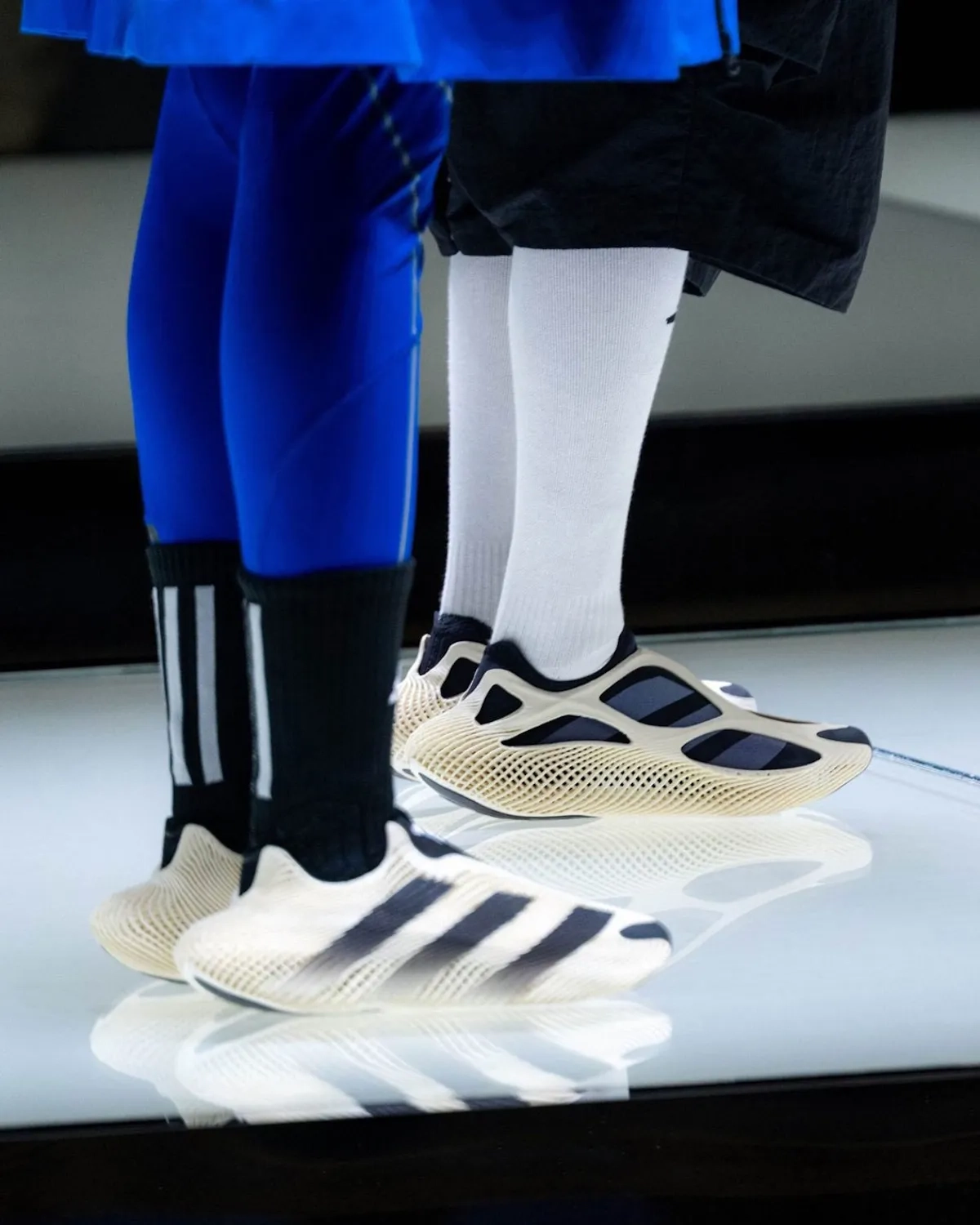
On one side: the FutureCool which swaps the one-piece printed upper for an exoskeleton-style architecture to provide targeted support and enhanced comfort. On the other, the FutureCraft X, a pair that pushes the use of printed filaments even further while integrating textile zones to free up the movement of the foot. With these two models, adidas is no longer just testing new technologies; the brand makes it a language in its own right. 3D printing becomes a tool of expression, capable of telling a story about the structure. In 2026, ClimaCool and FutureCraft pave the way for the years to come.