Nike Moon Shoe: price, history, and where to buy
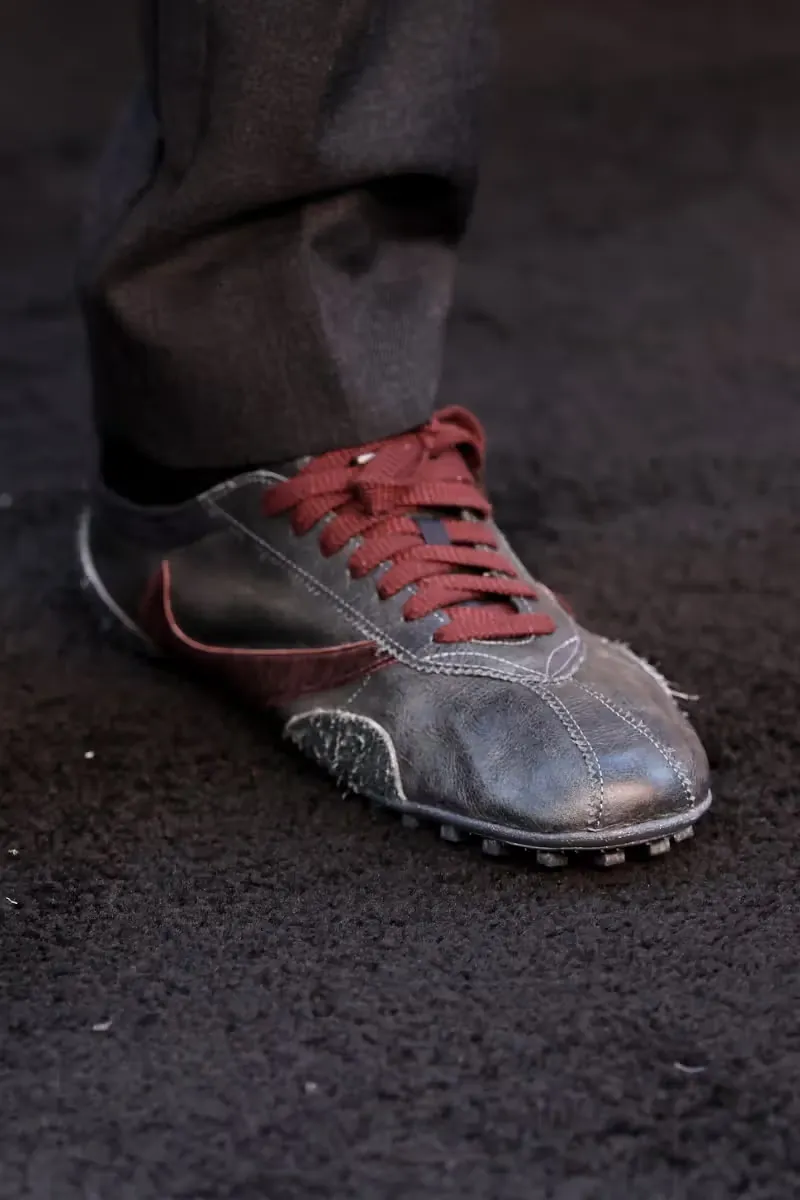
The Nike Moon Shoe is the very first model to feature the waffle sole, the iconic design that would define the brand's identity. Created in 1972 for the U.S. Olympic trials, it existed for a long time in only a handful of pairs, making it the most expensive sneaker ever sold at auction. In 2026, Nike finally releases it in a wider distribution. So, there are two items with the same name: an almost impossible-to-find archive grail, and an accessible reissue that everyone can finally wear.
1972: The Moon Shoe Born from a Waffle Iron
The story begins in a kitchen. Bill Bowerman, co-founder of Nike and track coach at the University of Oregon, is looking for a grippier sole for his runners. He pours rubber into his wife's waffle iron. The raised pattern that comes out will become the famous waffle sole.
From this prototype, the Moon Shoe is born, a lightweight racing flat handmade for the 1972 US Olympic Trials. Its nickname comes from its footprints: the waffle lugs left marks on the ground that resembled those of astronauts on the Moon.
It's a foundational piece. In the face of adidas' dominance in running in the early 1970s, this waffle sole gave the young Oregon brand its first true technical signature, one that would later be found on icons like the Nike Cortez.
Why the Moon Shoe Became the Most Expensive Sneaker in the World
We're generally talking about a dozen pairs produced. This figure has been repeated everywhere since 2019, but it comes from media consensus rather than officially documented production by Nike. What’s certain is that they can be counted on one hand: many have been worn, and some have disappeared.
In July 2019, Sotheby's auctioned the only known pair ever worn. Starting bid: $80,000. Pre-sale estimate: $160,000. It ultimately sold for $437,500, setting a world record for a sneaker at auction, won by collector Miles Nadal.
This figure isn’t just a fun fact. It explains the desirability of the reissue. When an original item is worth the price of an apartment, the accessible version that faithfully captures its lines inherits some of that aura, without the hefty price tag. This is exactly what Nike is selling with the 2026 release: the silhouette of an auction legend, at the price of a regular sneaker.
The 2026 Reissue: What the Moon Shoe GR is Worth
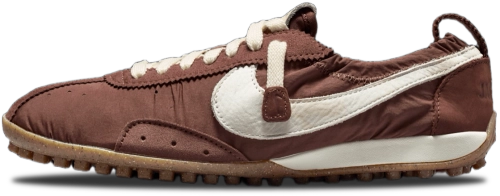
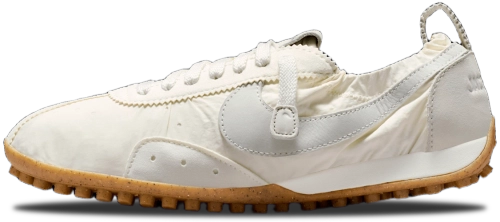
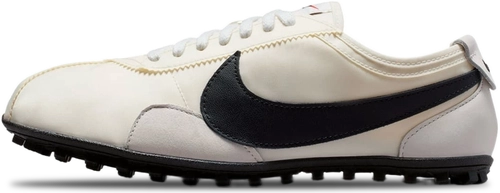
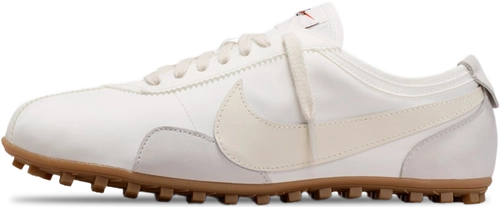
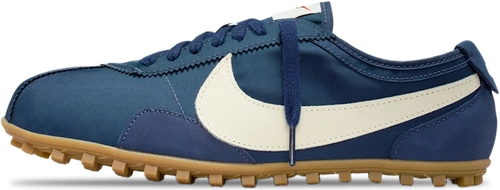
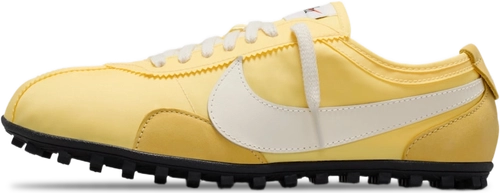
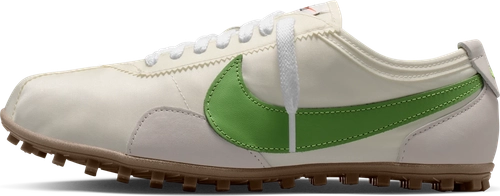
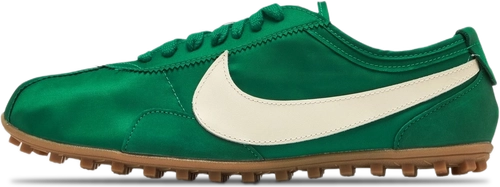
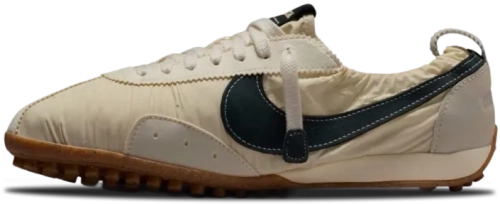
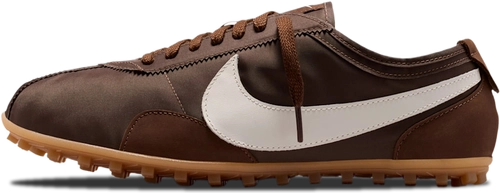
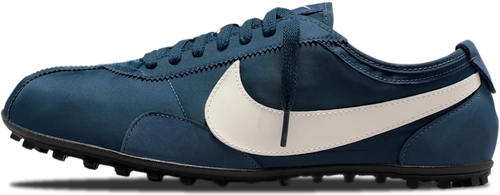
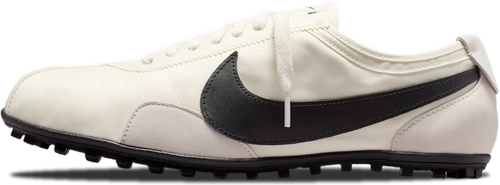
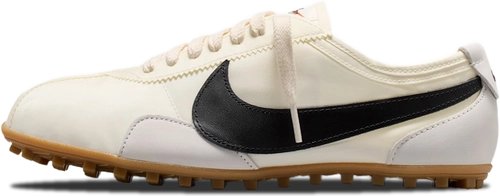
Until now, the Moon Shoe has been reserved for archives and limited reissues, but in 2026, it sees its first wide release. Nike hasn't modernized it: this is a faithful reconstruction of the original, not a reinterpretation.
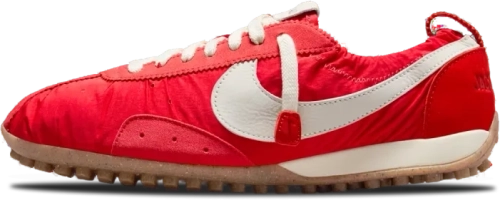
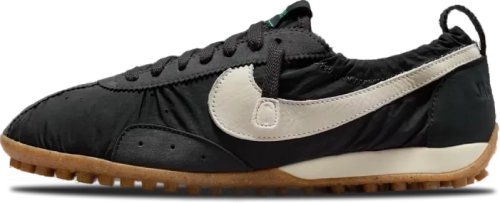
- Upper: textured nylon with suede overlays
- Sole: rubber waffle outsole, no midsole cushioning
- Silhouette: vintage racing flat, low and sleek profile
- Retail price: around €100
There’s no foam underfoot, just the waffle rubber laid directly under the insole. You’re paying for a historic design and clean construction, not cushioning technology. This is a style shoe, fitting into the retro lifestyle category, far from modern running.
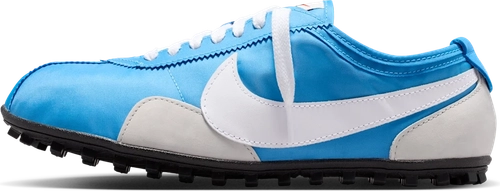
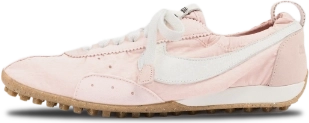
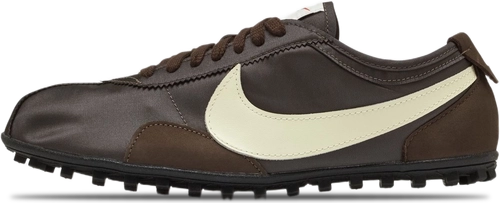
On top of this standard version, the collaboration with Jacquemus offers the silhouette in trendy tones, retailing around €180, with prices quickly climbing for the most sought-after colorways.
What size to get for the Nike Moon Shoe
The Moon Shoe features a racing flat design from the 1970s: a low-cut, sleek silhouette that's narrower than a contemporary lifestyle sneaker.
For a standard foot, stick to your usual size. However, without cushioning or thick lining, the shoe fits snugly and the toe box isn't wide. If you have a wide foot, a high instep, or if you're between sizes, go for a half size up. Those with narrow feet will find it comfortable.
Price and Availability of the Moon Shoe
The price of the Nike Moon Shoe in GR (General Release) version is around €100, a reasonable price for a lifestyle sneaker without cushioning technology. Some end-of-line colorways can be found below retail, while the most sought-after editions stay at full price.
Distribution follows two distinct strategies. The GR colorways (navy, soft yellow, off-white) go through official Nike channels and major retailers, with wide availability. Special versions, starting with the Jacquemus collab, drop in limited quantities, often via SNKRS, and that's where prices soar in the resale market.
In other words, the everyday Moon Shoe remains accessible; it's the intentional rarity of certain editions that drives up the price.
FAQ
Does the 2026 reissue have collectible value like the original from 1972?
No, and don't confuse the two. The record of $437,500 pertains to one of the rare original sneakers, a unique historical item. The GR reissue is produced in large quantities: it offers you the silhouette and the story, but not the rarity, so no auction value.
Is the Moon Shoe comfortable for everyday wear?
For light lifestyle use, yes. On long days standing or intensive walking, the complete lack of cushioning is noticeable, as the waffle rubber rests directly on the ground. It's a style shoe that embraces its racing flat profile, not a pair designed for long-lasting comfort.
What’s the difference between the Moon Shoe and the Nike Cortez?
Both date back to the early 1970s and share Bowerman's waffle DNA. The Cortez has a thicker sole and a more lifestyle-oriented profile, designed for everyday wear. The Moon Shoe remains slimmer, closer to the original competition flat, making it more minimalist underfoot.